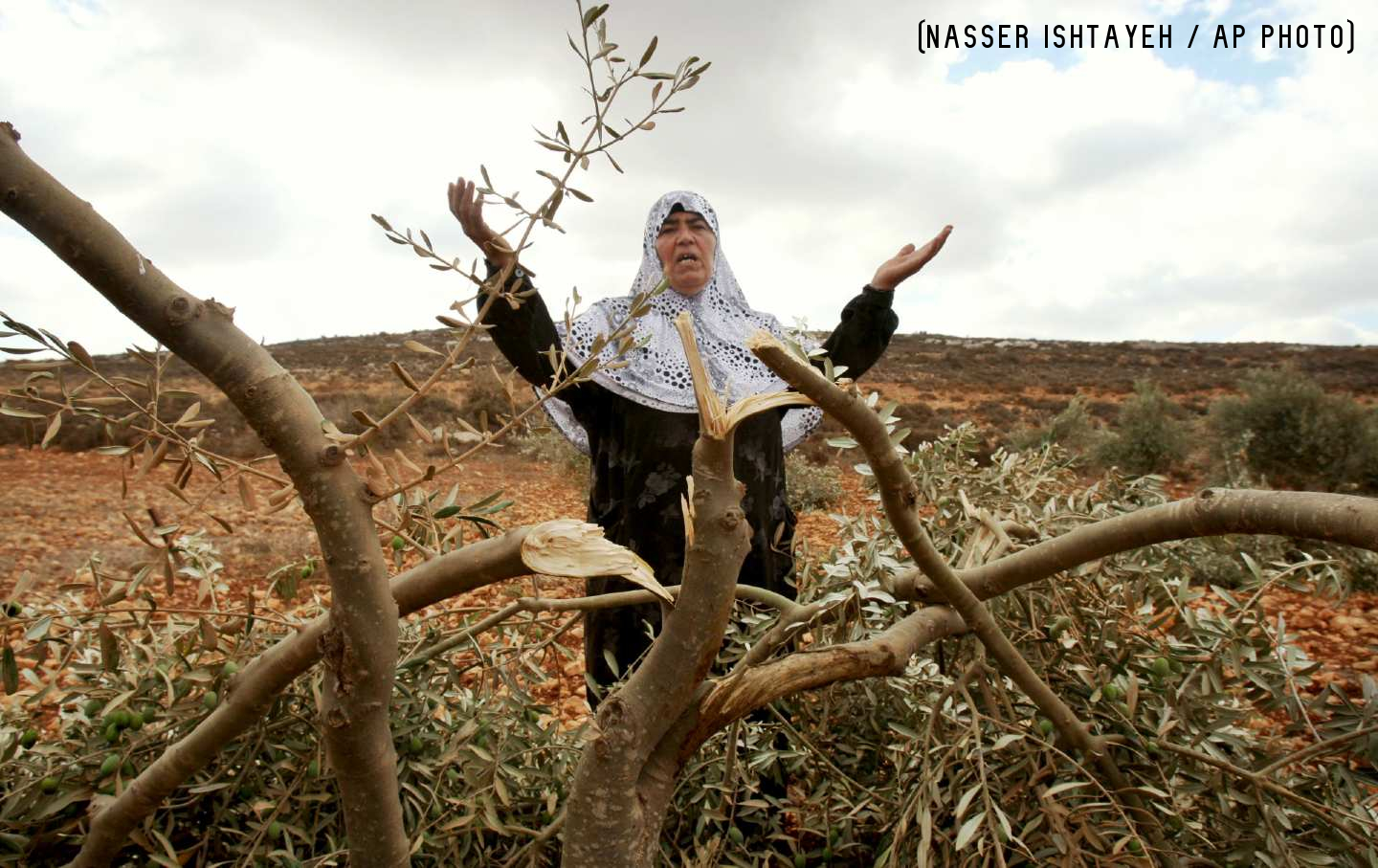
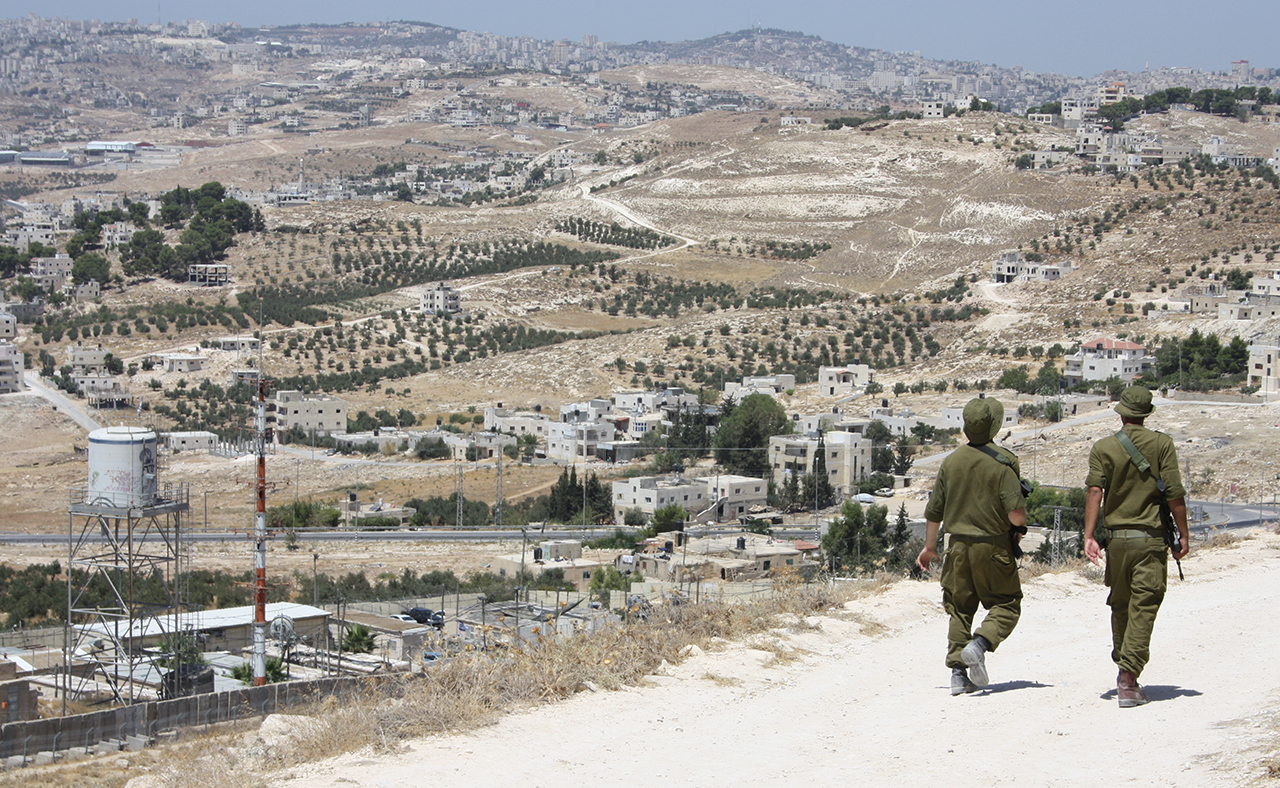
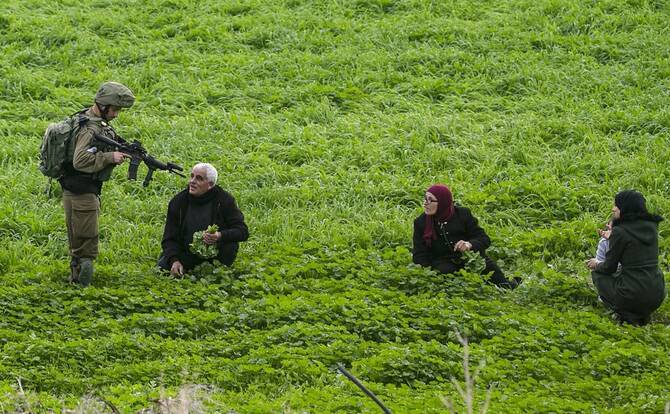
For Palestinian communities across the West Bank, the annual olive harvest stands at the heart of local social, economic, and cultural heritage. For thousands of families, these trees provide essential income and food security, helping them remain self-sufficient. Beyond the financial impact, the harvest is woven into the very fabric of Palestinian identity, bringing families, neighbors, and volunteers together every year to preserve their shared heritage.
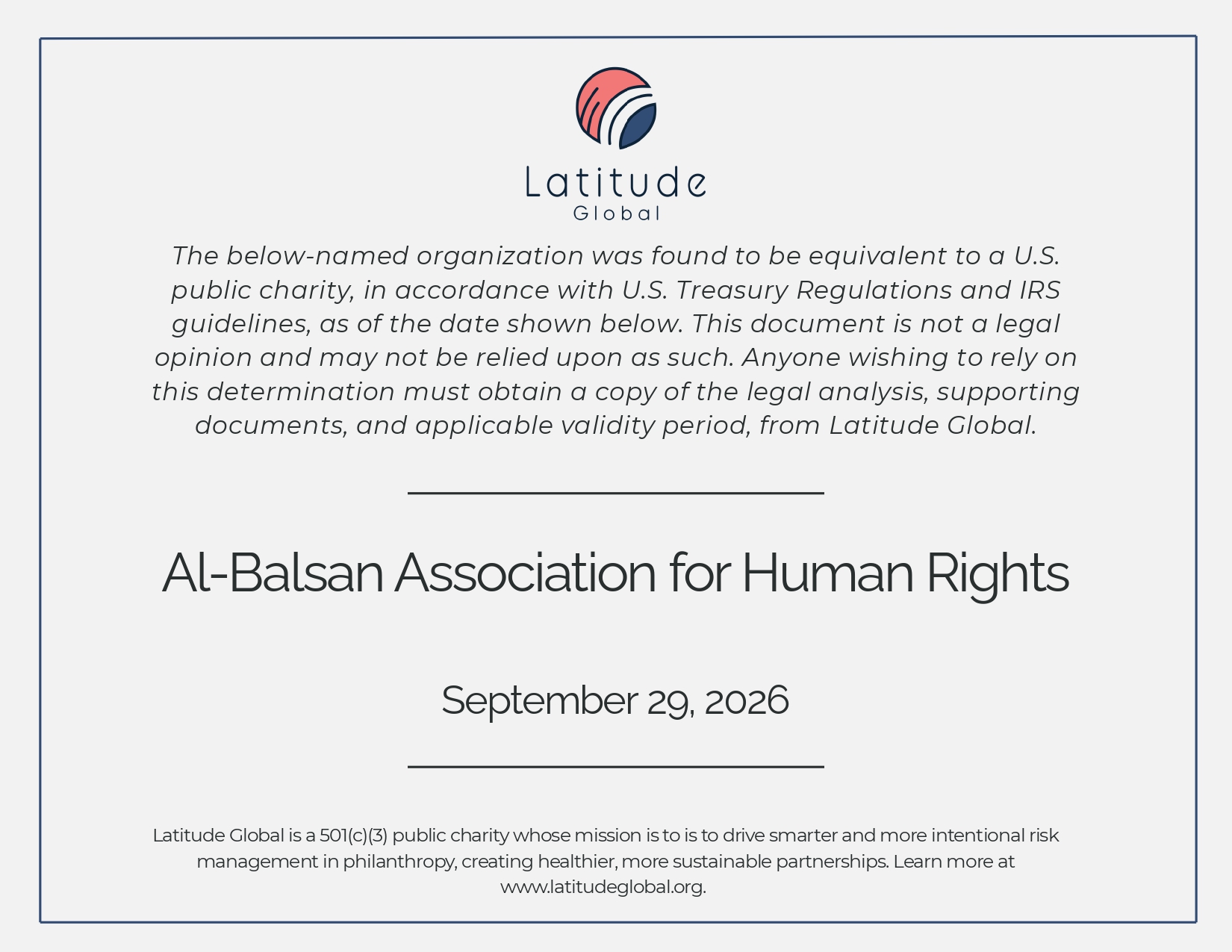
On 29 September 2026, BIHR completed an Equivalency Determination (ED) with Latitude Global, a U.S-based public charity that provides “due diligence” services for funders.
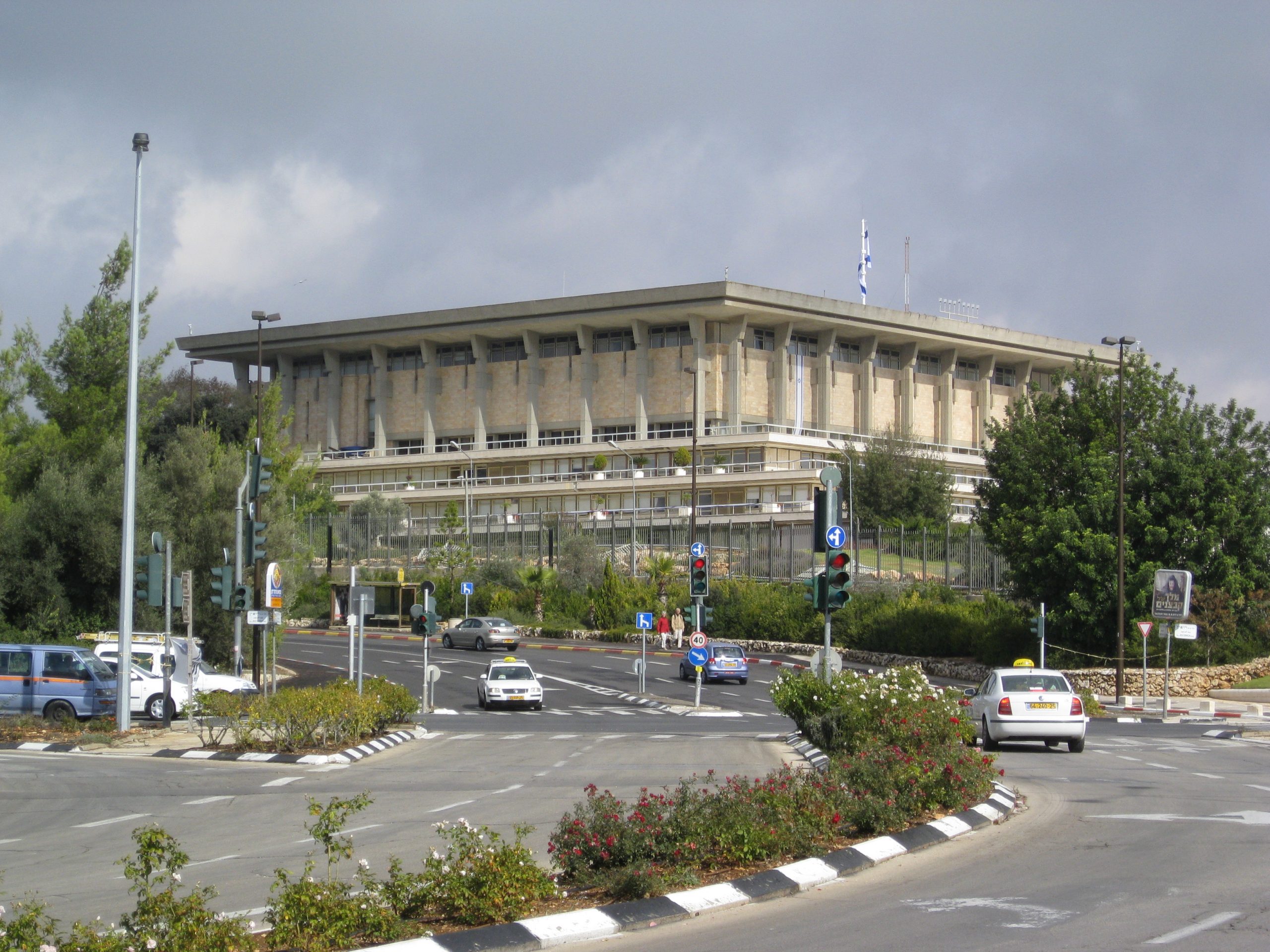
With the approaching Israeli Knesset elections, scheduled for 27 October 2026, various Israeli parties’ statements, coupled with developments on the ground, indicate that the future of the West Bank, and the nature of Israeli control over it, have become central to political and electoral calculations. While elections in many parts of the world are typically preceded by competing electoral programmes focused on internal economic, social, and institutional reforms […]
Israeli policies that have reshaped the West Bank’s geography are producing a spatial reality that reveals a clear pattern. Palestinians face restrictions on urban expansion, while the spaces and corridors connecting their population centers are subjected to direct and tight control. Direct displacement tools such as mass military evictions or forced deportations are no longer the only means employed. Instead, a deeper strategy known as “structural confinement” has been adopted.
Between September and early October 2026, a successive period of Jewish holidays and religious occasions is being observed, beginning with Rosh Hashanah, followed by Yom Kippur and Sukkot, and culminating in Shemini Atzeret and Simchat Torah in early October. This period is a yearly occurrence accompanied by heightened Israeli measures across the occupied Palestinian territory (oPt). Every year, Palestinians anticipate Jewish holidays with great concern […]
As the West Bank remains under ongoing, relentless Israeli efforts to expand territorial control, minimizing Palestinian demographics is at the heart of this objective. For decades, Israeli settler violence and terror have been central in displacing Palestinian communities. With almost full impunity, settler crimes, including killings, physical violence, damaging property, arson, desecrating holy sites […]
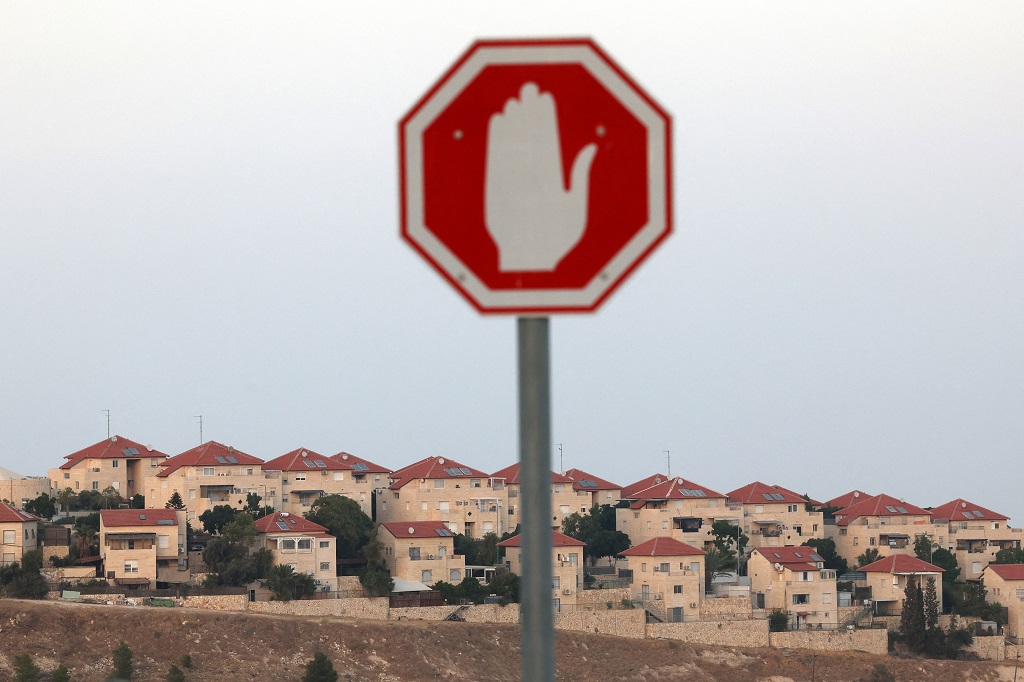
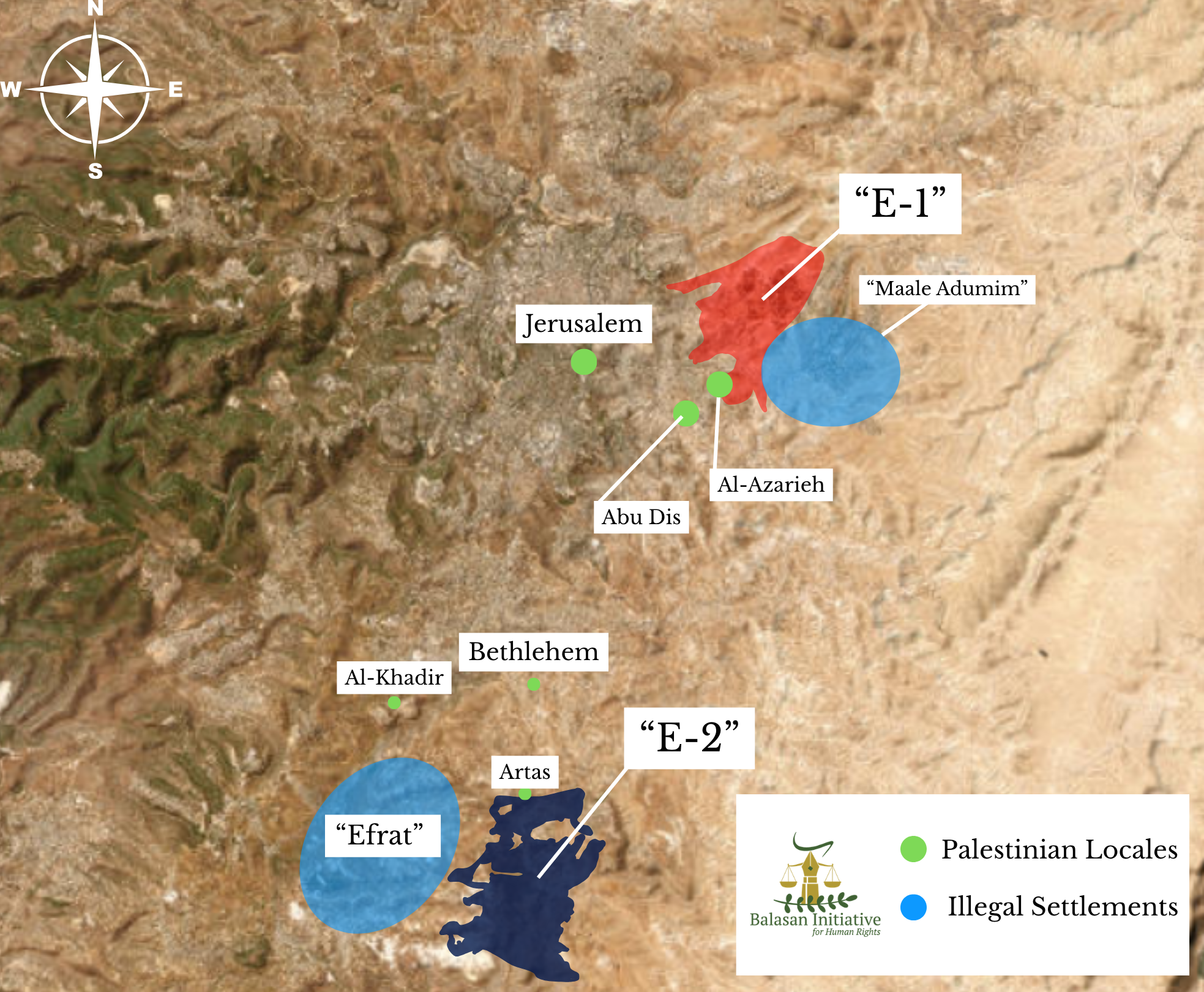
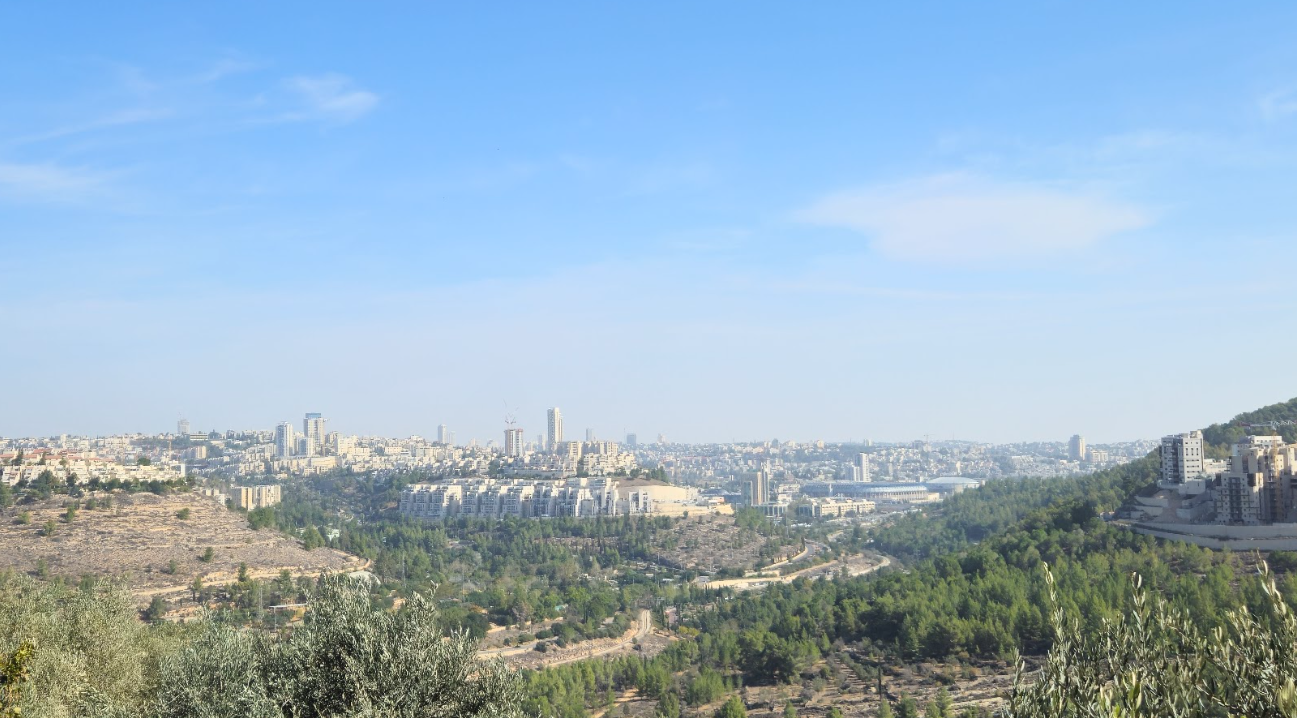
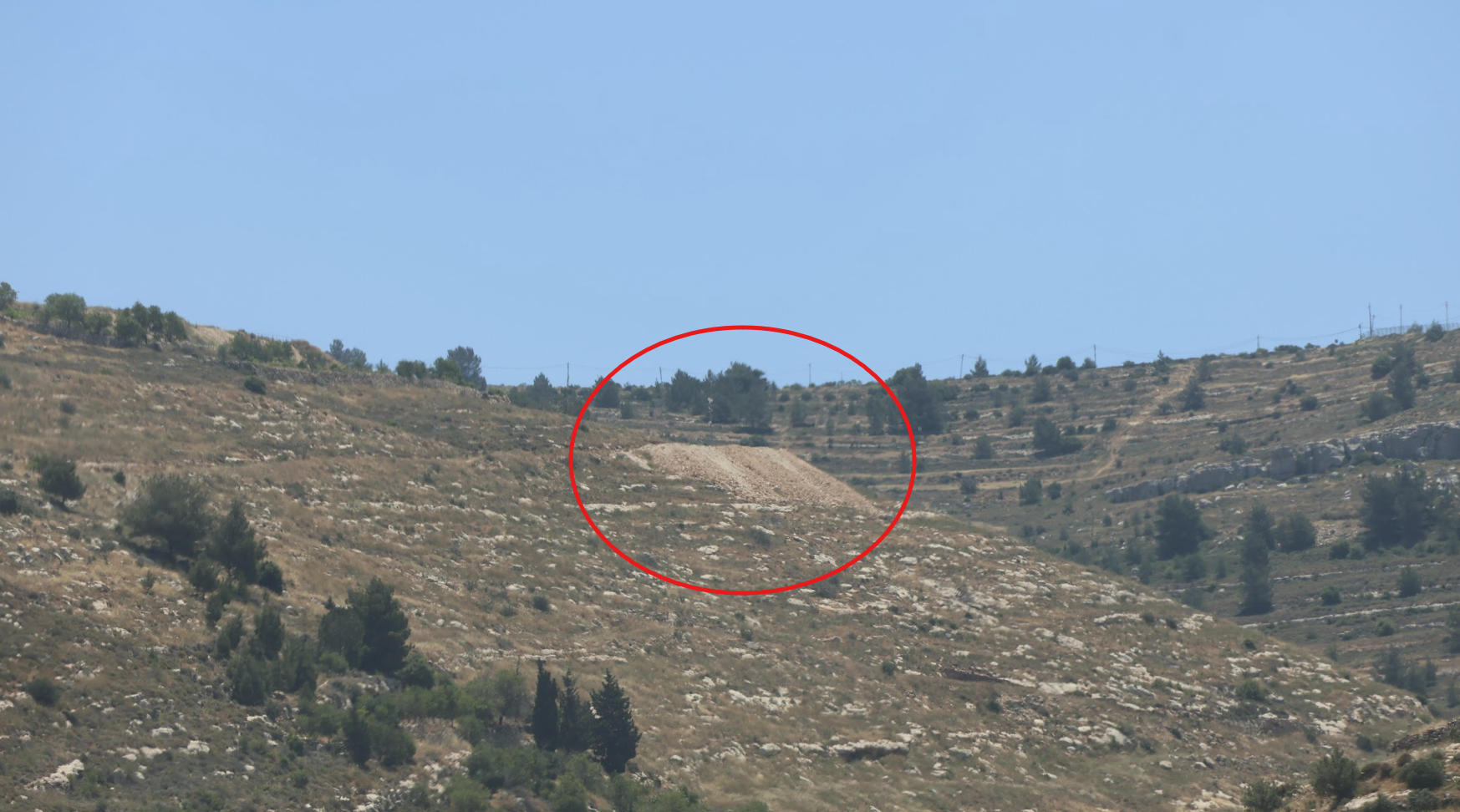
In what marks the largest land seizure in the Bethlehem Governorate in decades, the “Mishmar Yehuda” settlement project is presented as a settlement “initiative” that would establish the nucleus of a new settlement city in the heart of the occupied West Bank, between Bethlehem and Jerusalem, serving as a link between the “E1” and the “E2” projects.
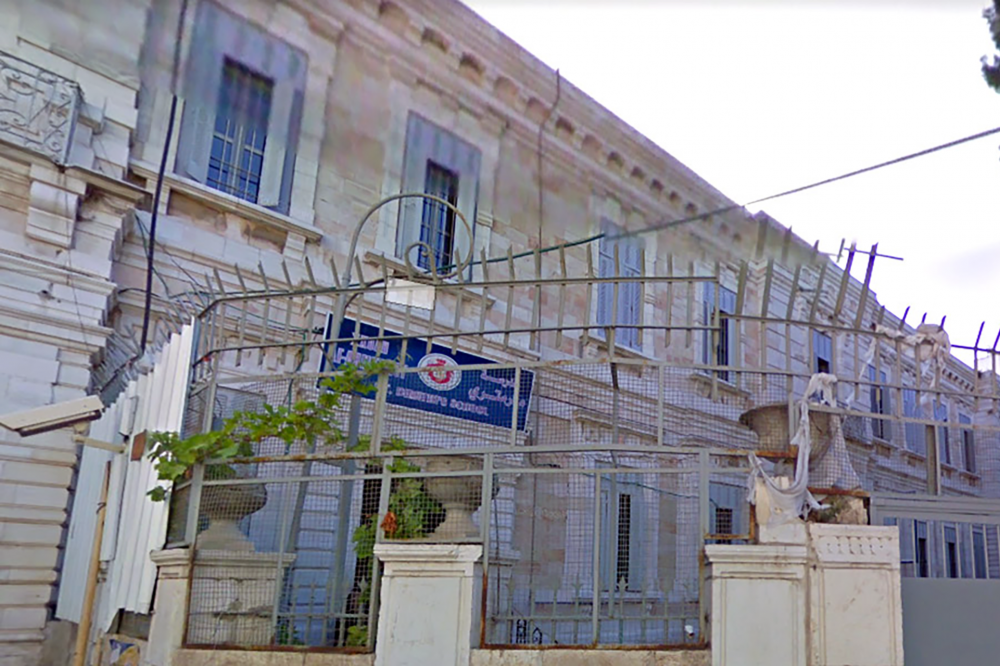
Christian schools in Jerusalem went on strike, suspending the start of the 2026–2027 academic year after the Israeli occupying authorities, unexpectedly and without prior notice, failed to renew the entry permits of more than 70 Palestinian teachers and staff members from the West Bank. As a result, teaching, administrative, and support personnel, including staff responsible for administration, health, sanitation, security, and safety, were prevented from reaching their schools, prompting the schools to suspend classes until the necessary permits are reissued.
Israel’s systematic, relentless expansion of its settlements in the occupied West Bank, coupled with the strategic use of environmental planning as a pretext to entrench this expansion, is currently a key mechanism for land fragmentation and demographic control throughout the occupied Palestinian territory. This approach centers on the coordinated activation of the “E1” and “E2” settlement corridors, along with nature reserves such as the “Nahal Og Nature Reserve”.
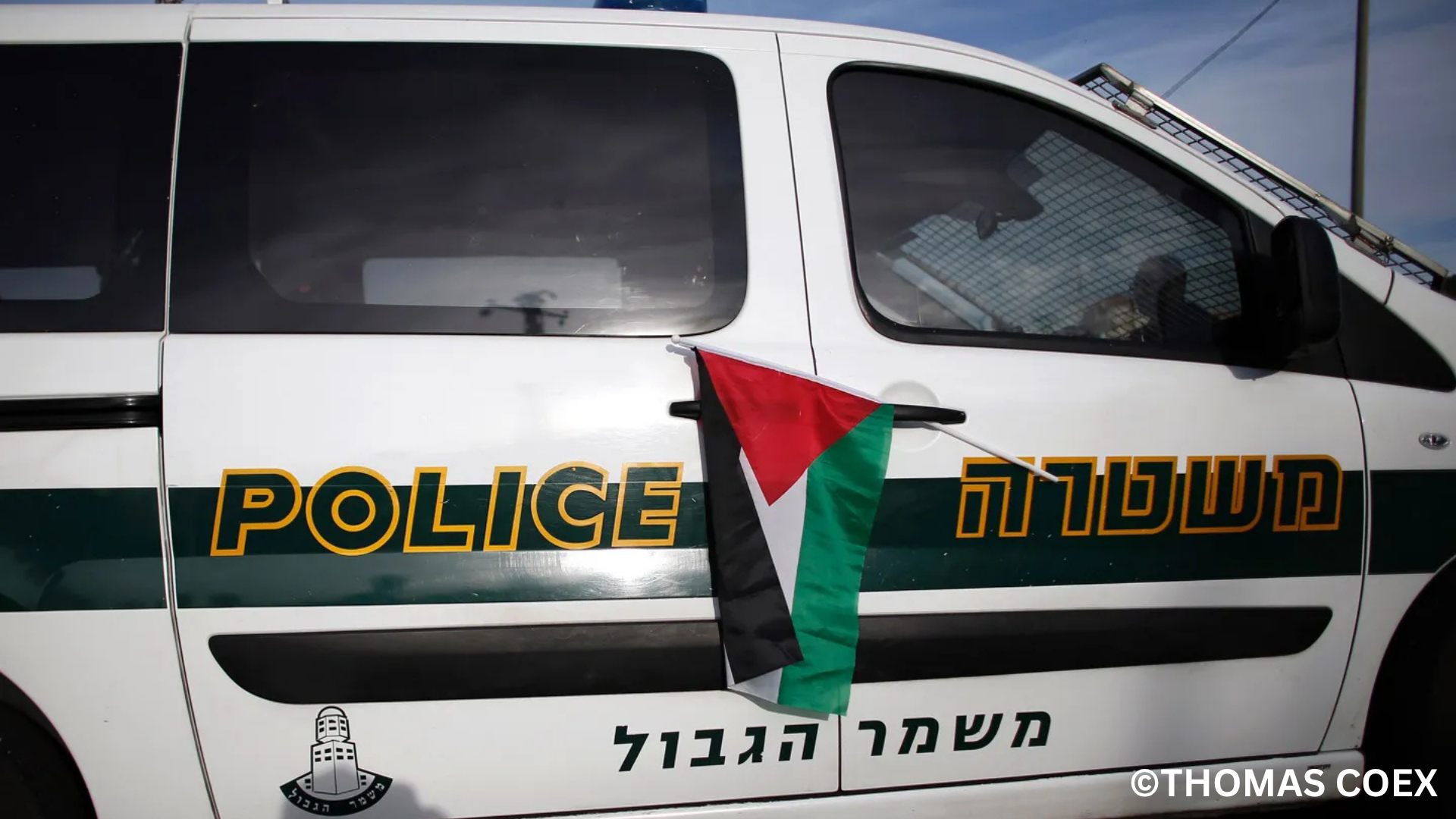
On 14 August 2026, Israeli ‘Defense’ Minister Israel Katz instructed the Israeli military to prepare a plan to transfer law-enforcement powers over Israeli settler matters in the occupied West Bank from the military to the Israeli police. Under the announced directive, the police would establish a dedicated force to handle these matters, while the military’s role would increasingly focus on what Israel describes as combating “terrorism” and protecting the borders and settlements. At this stage, however, no transfer of powers has been implemented.
On July 28, Revista AlDamir published an article written by BIHR’s Founding Director, Dalia Qumsieh. Dalia unpacks the roots of settler terror in the oPt, dissecting the misconception that the use of settler violence is a new phenomenon. A direct line is drawn back to the first wound, the Nakba, and traces to today’s violent reality. The article highlights how settler violence functions as a central pillar of Israel’s policies and a key tool of dispossession and displacement.
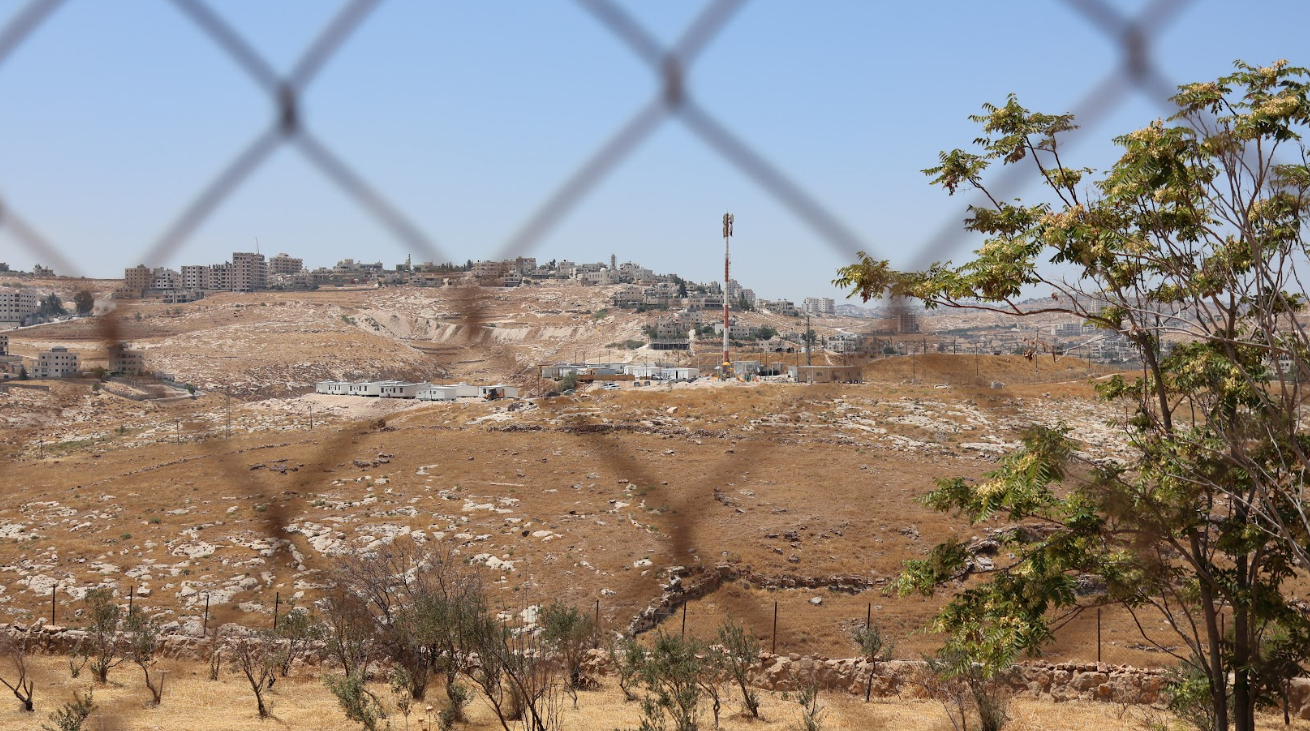
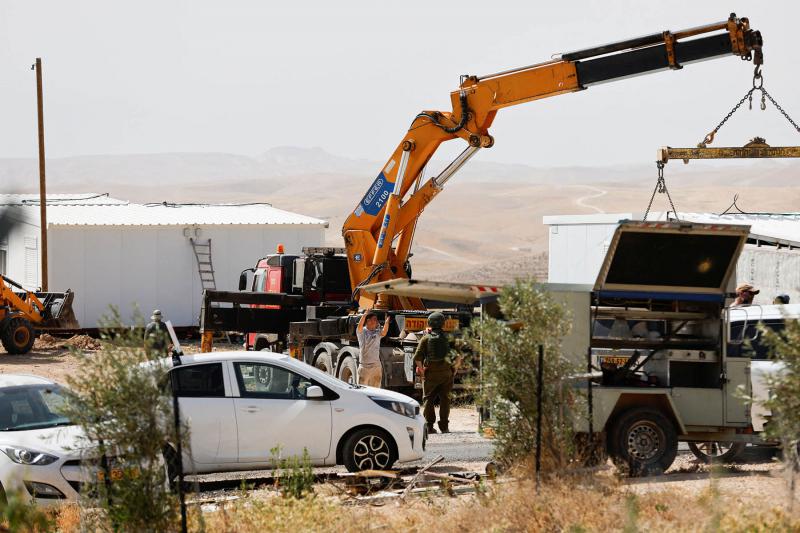
Recent field developments indicate that the “Yatziv” settlement in Beit Sahour is undergoing a rapid and significant new phase of expansion. Field observations confirm the presence of 30 additional caravans currently occupied by settlers, alongside intensified construction activity, including increased movement of excavators and construction trucks along the road leading to the settlement.
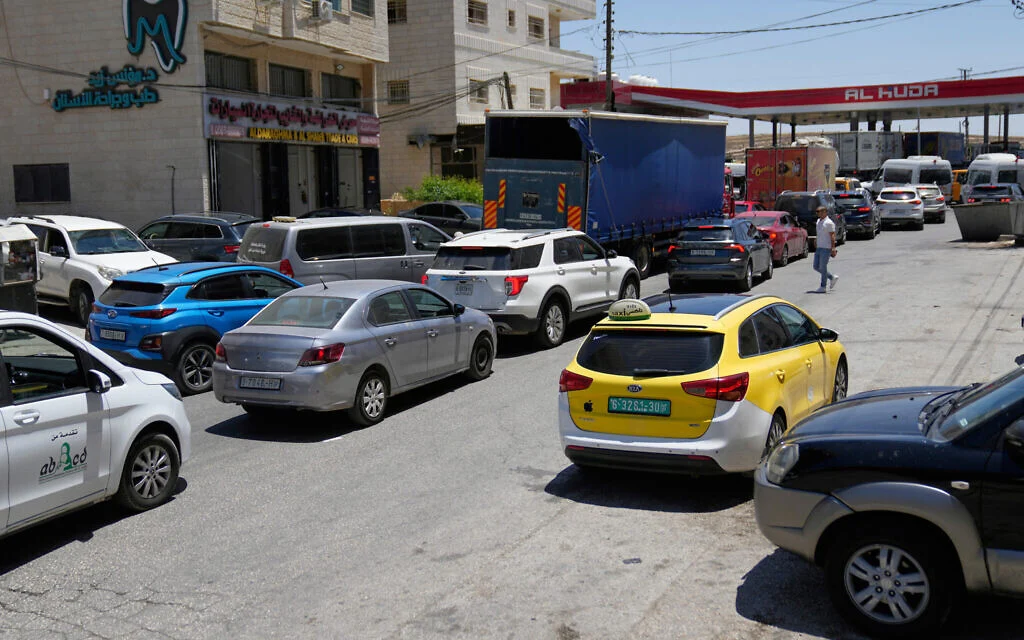
The occupied West Bank is currently experiencing an unprecedented crisis affecting virtually every essential sector, including healthcare, education, municipal services, water, electricity, fuel, transportation, and the broader economy. The deterioration is no longer limited to isolated sectoral deficiencies or recurring fiscal crises; rather, it reflects a prolonged, cumulative process of institutional weakening that has directly undermined the capacity of Palestinian public institutions to perform their core functions and to ensure Palestinians’ access to the bare minimum of essential services and fundamental rights.
As part of the recent relentless Israeli settlement advancement measures in the occupied West Bank, and only in the timeframe of 6 months, the Bethlehem governorate and its surrounding areas have witnessed an accelerated wave of settlement expansion, manifested through the establishment of 14 new settlements, including in Area B, the retroactive “legalization” of settlement outposts […]
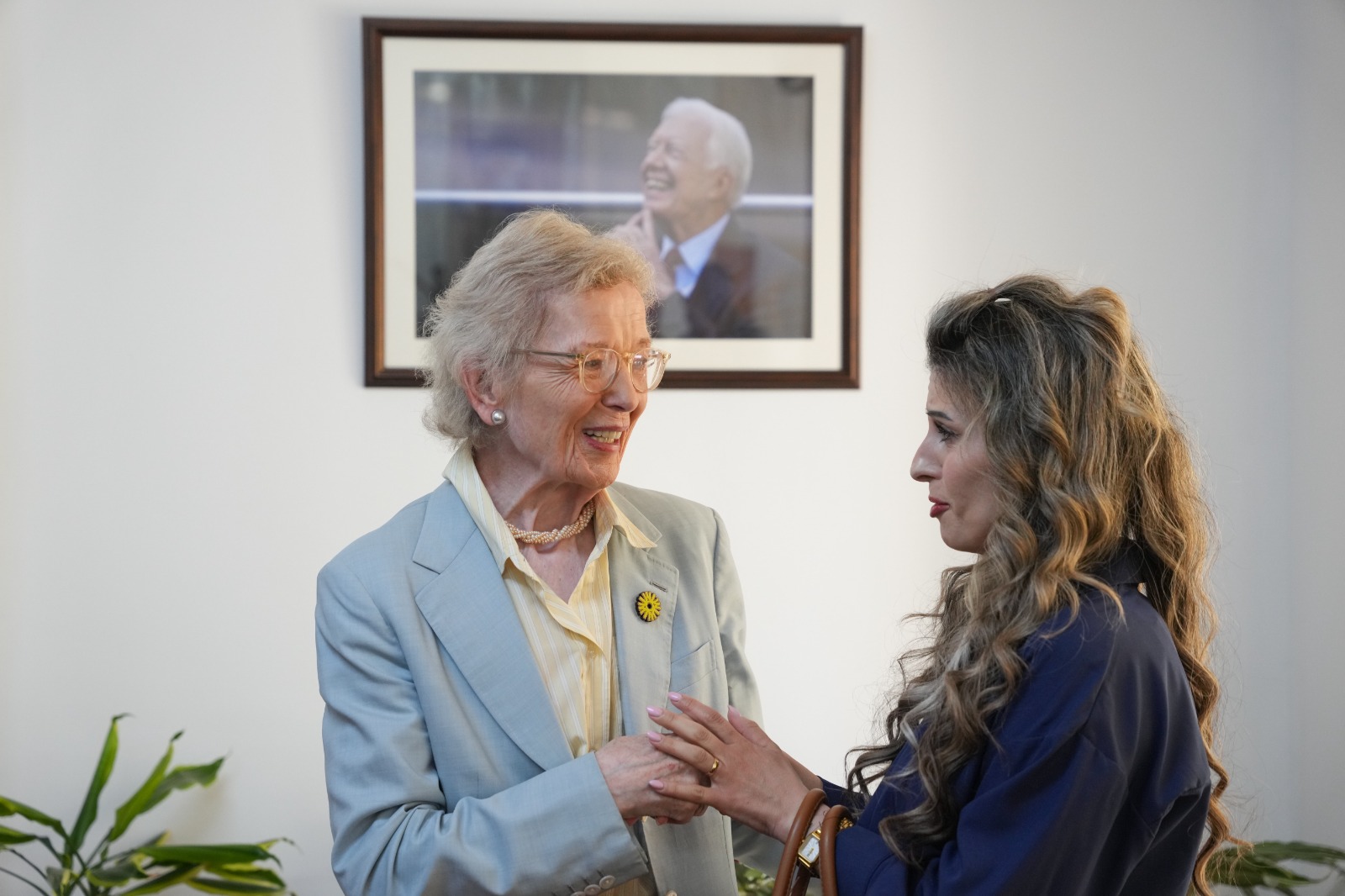
On July 15, 2026, BIHR joined a meeting between The Elders and Palestinian civil society organisations in the West Bank, hosted by The Carter Center […]
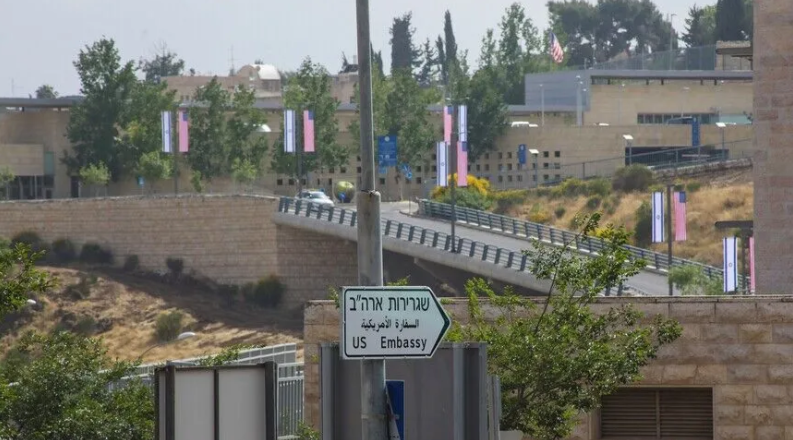
On 1 July, the United States and Israel signed a 99-year lease agreement granting the United States a parcel of land in Jerusalem for one U.S. dollar per year to establish the permanent premises of the U.S. Embassy. The designated site is located within the former Allenby Barracks compound, on land that was privately owned by Palestinian families before 1948.
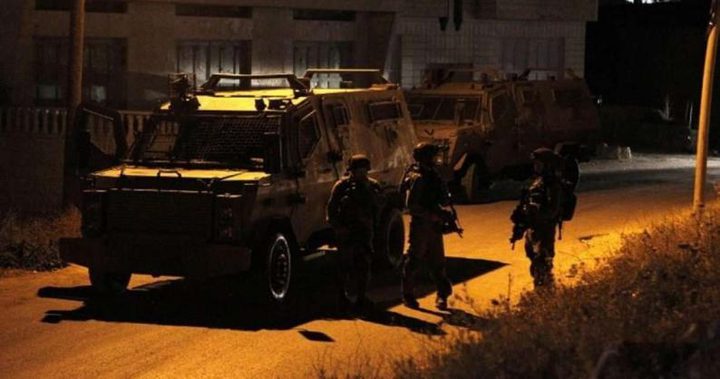
On 18 July 2026, Israeli occupation forces declared Husan, one of the villages in Bethlehem’s western rural area, a closed military zone. They imposed a comprehensive closure that effectively isolated it from its geographic surroundings, particularly from the neighboring villages of Nahalin and Battir. The measures extend to the closure of all main and secondary entrances to the village and the imposition of severe restrictions on the movement of residents and vehicles, disrupting all aspects of daily life inside the village.
On Tuesday, 14 July 2026, an Israeli Security Cabinet decision that was passed in March was de-classified to reveal the largest settlement plan yet: It approved the establishment of 34 new settlements in the occupied West Bank, allocating further 1.3 billion shekels for expediting the settlement process and the moving of settlers, and an additional 1 billion shekels to develop the needed infrastructure to serve the new settlements and their connectivity to each other.
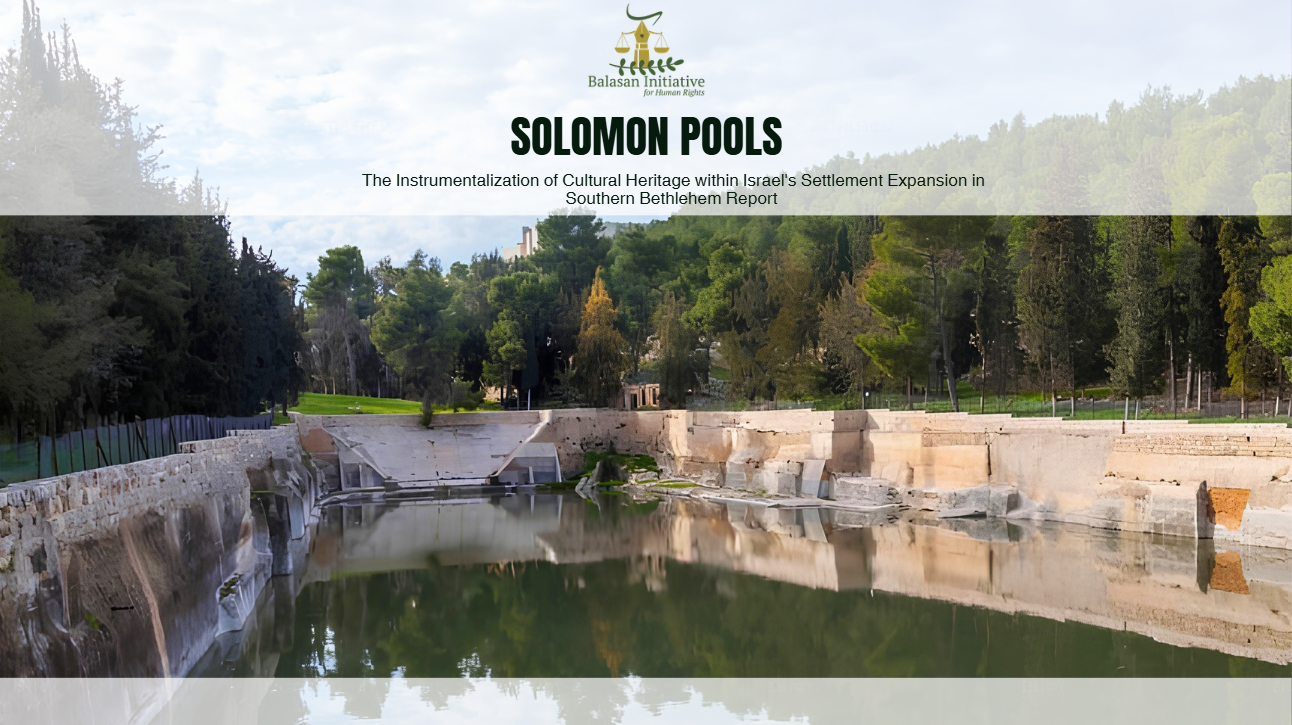
Solomon’s Pools retain a distinctive place in Palestine’s historical and water landscape, representing an ancient and sophisticated system of water management that operated for centuries. They remained an integral part of the infrastructure extending from southern Bethlehem to Jerusalem, serving as a vital component of a life-sustaining water network linking communities. In recent years, however, their significance has extended beyond their historical value […]
Al Makhrour Valley, located west of Bethlehem between Beit Jala, Battir, Al Walajeh, Al Khader, and Husan, constitutes one of the last remaining Palestinian open landscapes in the Bethlehem governorate. In 2014, the valley was recognized as part of the UNESCO World Heritage Site of Palestine: Land of Olives and Vines – Cultural Landscape of Southern Jerusalem, Battir, reflecting its exceptional cultural, agricultural, and environmental significance […]
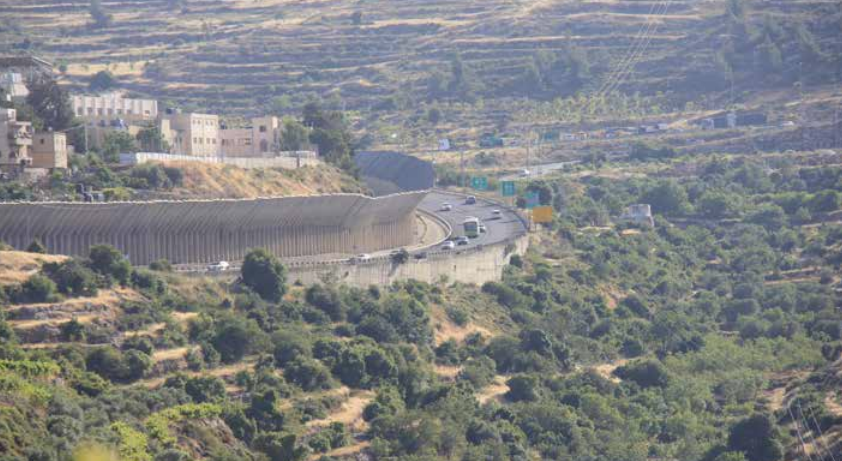
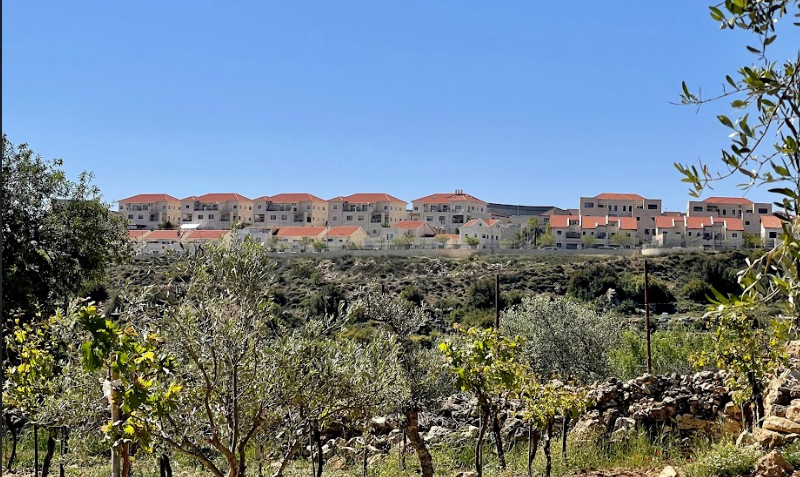
Settlement infrastructure in the occupied West Bank is closely linked to the growth of the settler population, as it creates the physical conditions needed for expansion. The construction of roads and other public services makes settlements more accessible and attractive for new residents. As infrastructure improves, settlements can accommodate larger populations and connect more closely with each other and within the Green Line, encouraging further deliberate, calculated and unlawful settler demographic growth inside occupied territory.
The water crisis affecting Palestinian communities in the southern West Bank must be understood within the broader framework of Israeli control over Palestinian water resources. Israel controls more than 85 percent of Palestinian water resources, while Palestinians remain increasingly dependent on water purchased from the Israeli national water company, Mekorot.
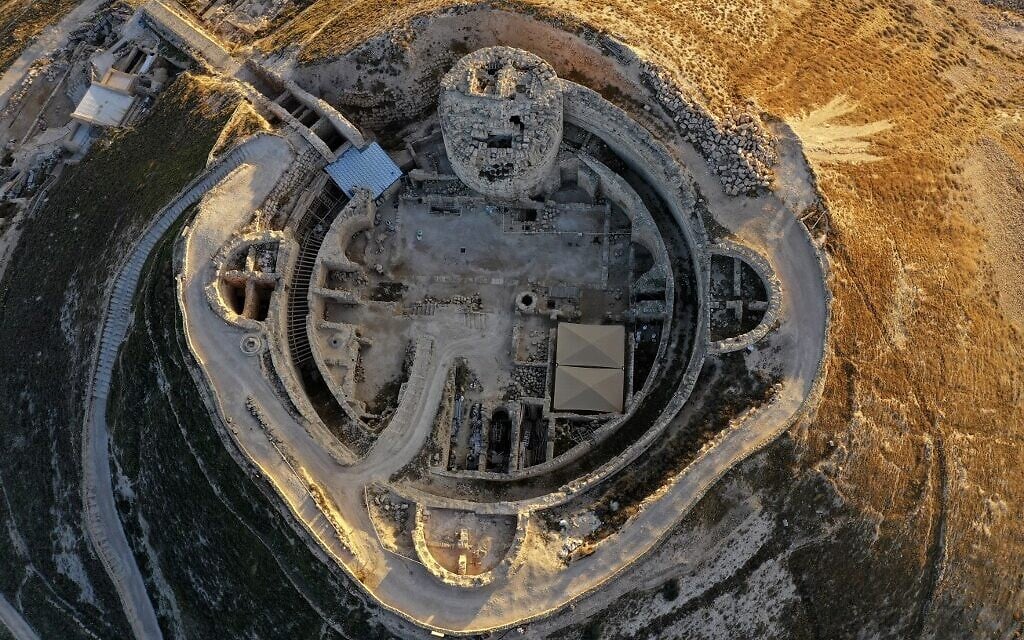
Since Israel’s occupation of the West Bank in 1967, the management of archaeological and historical sites that preserve Palestinian culture, narrative, collective memory, and history has become a critical issue. Many of these sites are located within the occupied Palestinian territory (oPt) and hold immense importance for Palestinian communities. Consequently, their management has expanded beyond issues of conservation and tourism to encompass land use, access, governance, and the rights of the population in the occupied territories to self-determination and sovereignty. Israel has long sought to use these sites of exclusive territorial control and national identity and narrative building.
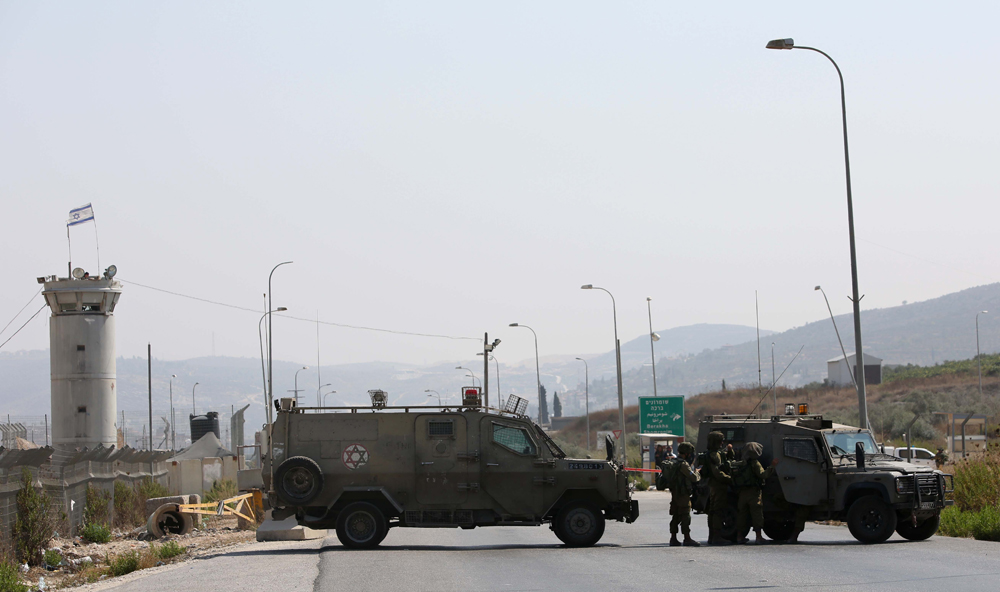
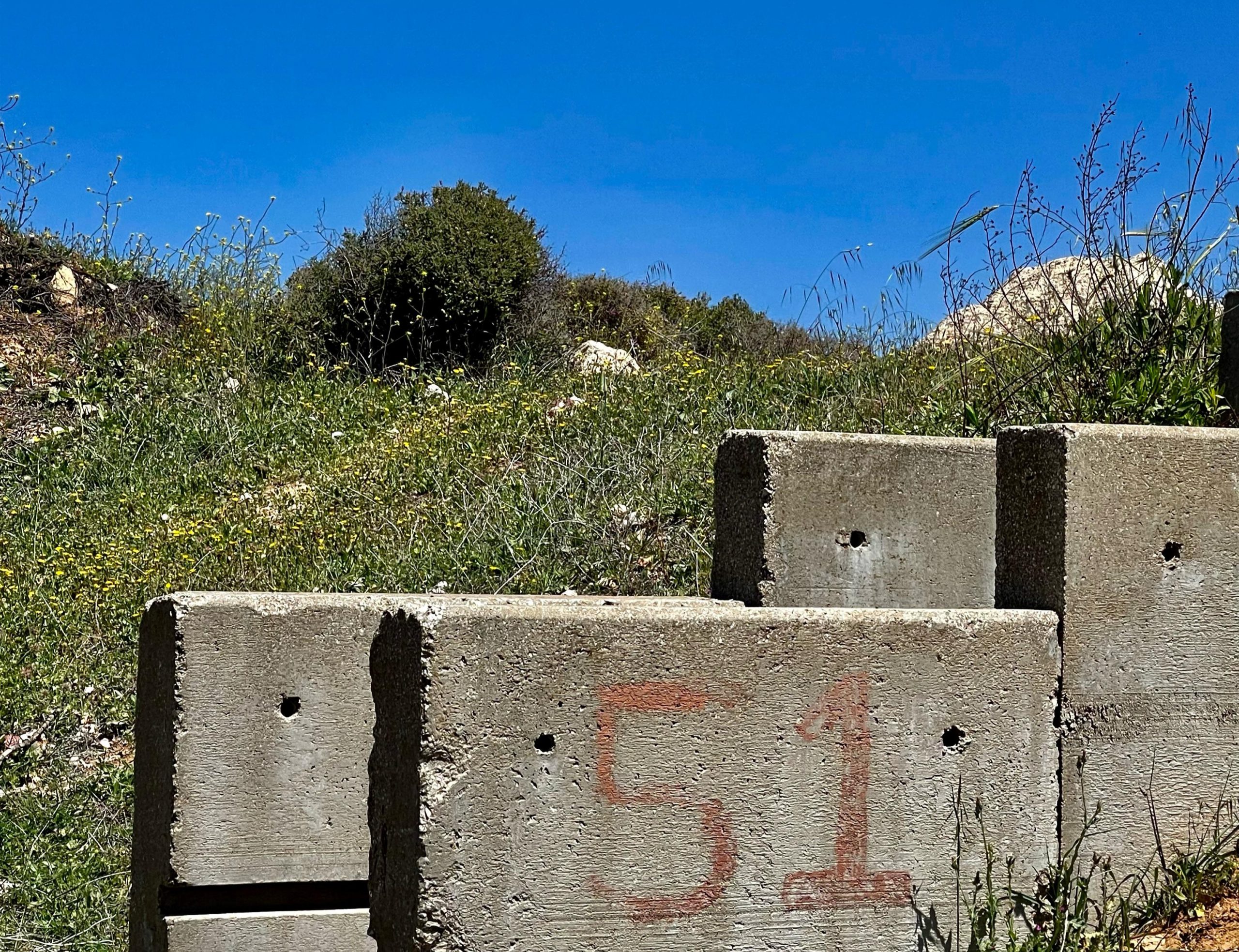
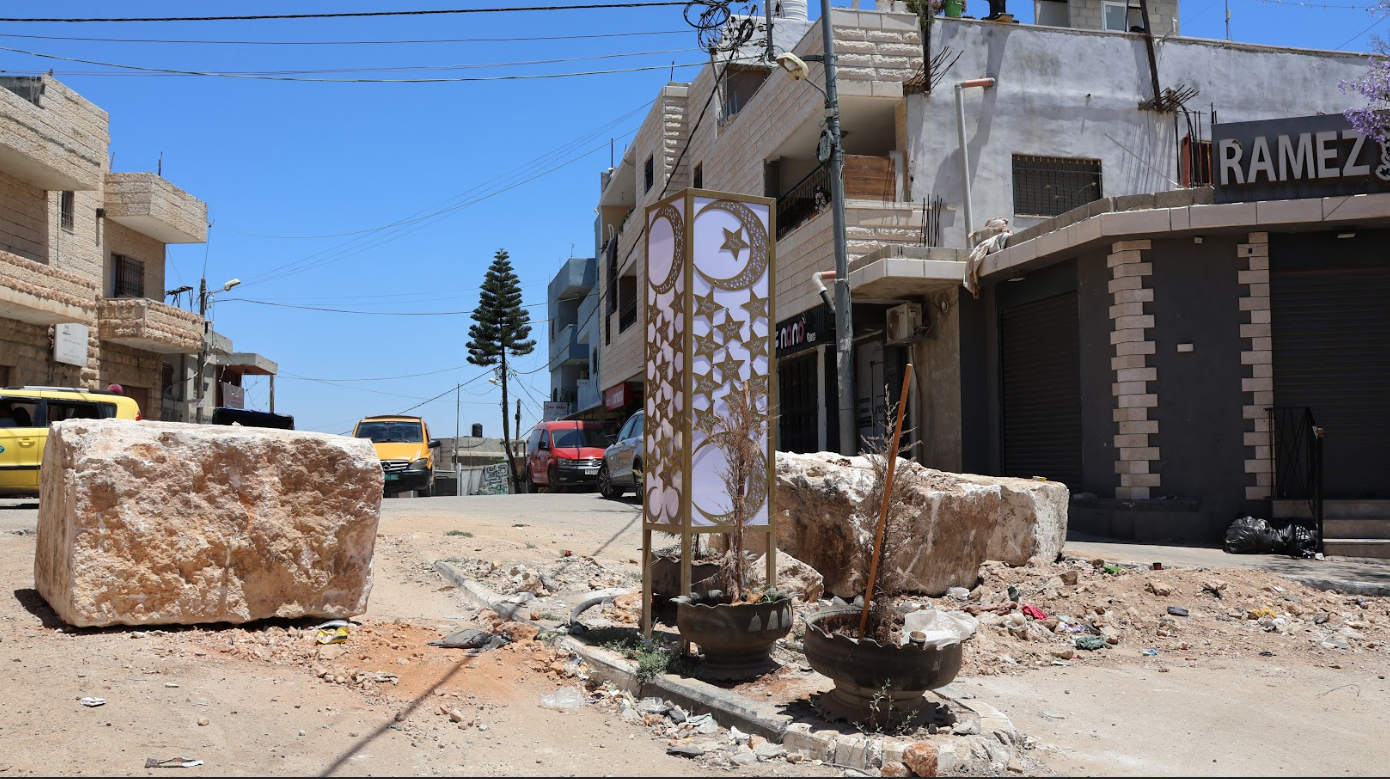
Since 7 October 2023, Israeli forces have largely intensified movement restrictions across the occupied West Bank. In Bethlehem, the Israeli forces installed 53 military gates across the governorate, most of which are permanently closed to Palestinian movement. In addition, cement blocks have been placed on 36 other roads throughout Bethlehem. Reports indicate that these restrictions have reached a total of 89 military gates, barriers, and concrete blocks, further intensifying the restrictive closure imposed on Bethlehem and contributing to its fragmentation and isolation.
As agriculture remains an important source of livelihood in the West Bank, this farming season provides a critical temporal lens to examine the cumulative pressures affecting agricultural access in the occupied West Bank and their devastating overall impact on Palestinian livelihoods, including movement restrictions, administrative access regimes, and settler crimes impacting farming communities.
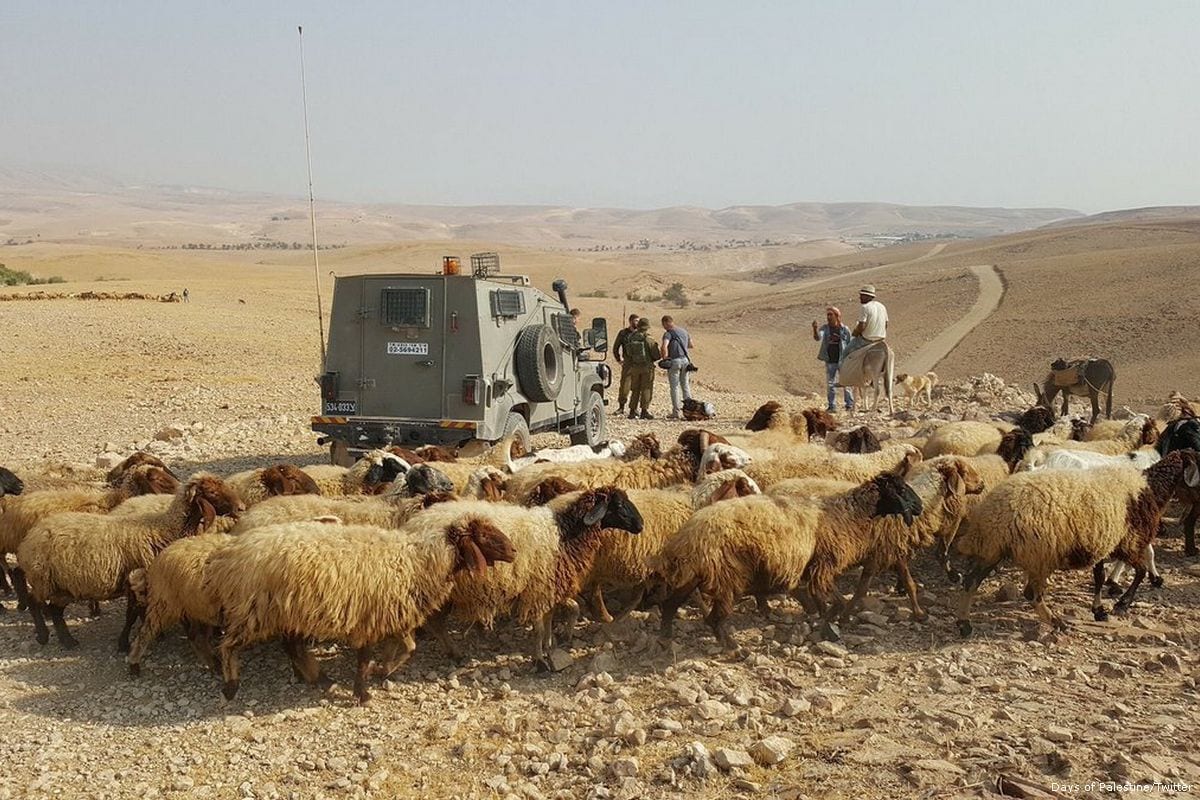
Pastoral Settlement represents one of the most widely used and currently most dangerous forms of Israeli displacement and dispossession in the West Bank. It usually entails illegal settlement outposts in the West Bank centered around livestock grazing and shepherding. This is because the total grazing area amounts to approximately 2.2 million dunams (around 30% of the West Bank), 90% of which lies in Area “C”.
The settlement of Efrat constitutes one of the most dangerous Israeli settlement projects in the southern West Bank, given its central role in reshaping the political and demographic geography, specifically in the Bethlehem governorate. Yet, little attention is given to the danger it poses to more than 11 Palestinian villages and towns within the Bethlehem Governorate and profoundly threatens their future as a Palestinian historic and urban center.
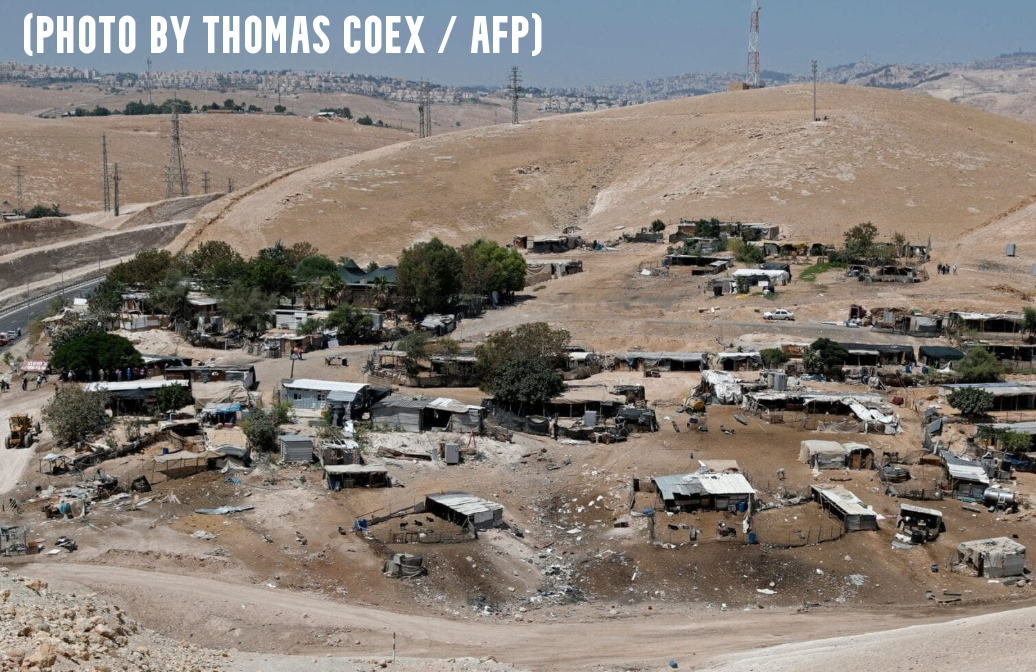
Upon the initiation of arrest warrants by the International Criminal Court (ICC) against multiple Israeli officials, Israel’s Finance Minister and Minister for the Ministry of Defense, Bezalel Smotrich, who is among the Israeli officials targeted in the new arrest warrants, vowed in a press conference on 19 May 2025 that he will sign evacuation orders for Khan Al-Ahmar in preparation for its demolition. He also announced that he will take revenge on the Palestinian Authority. In the same conference, Smotrich praised his role in advancing the establishment of more than 100 new settlements and 160 agricultural outposts in the West Bank
Artas village in the southwest of Bethlehem is among the oldest continuously inhabited rural communities in Palestine, historically shaped by permanent agricultural settlement and sophisticated water-management systems. Its semi-enclosed geographic location between mountain ranges, combined with the abundance of natural springs, enabled the development of a fertile agricultural basin that sustained the village and its surroundings for centuries.
Today is the Palestinian Prisoners Day… this day serves as a stark reminder of the Israeli Occupation’s incarceration regime that constitutes one of the most complex and violent systems in the world. Designed as an instrument of colonial governance, this architecture of repression is currently holding approximately 9,600 Palestinian political prisoners. This includes 3,532 administrative detainees imprisoned without charge or trial, 342 child prisoners, and 84 women.